
If you’re considering hip replacement surgery in Dubai, you’re taking a significant step towards improving your mobility, alleviating chronic pain, and reclaiming an active lifestyle. Dr. Paul Macnamara, a highly experienced British doctor with over 25 years of expertise, combines the excellence of British medical training with advanced surgical techniques. He operates at some of the best hospitals for hip replacement in Dubai. Widely recognized as one of the best hip surgeons in Dubai, Dr. Macnamara is known for his expertise and compassionate care, attracting both domestic and international patients seeking life-changing results.
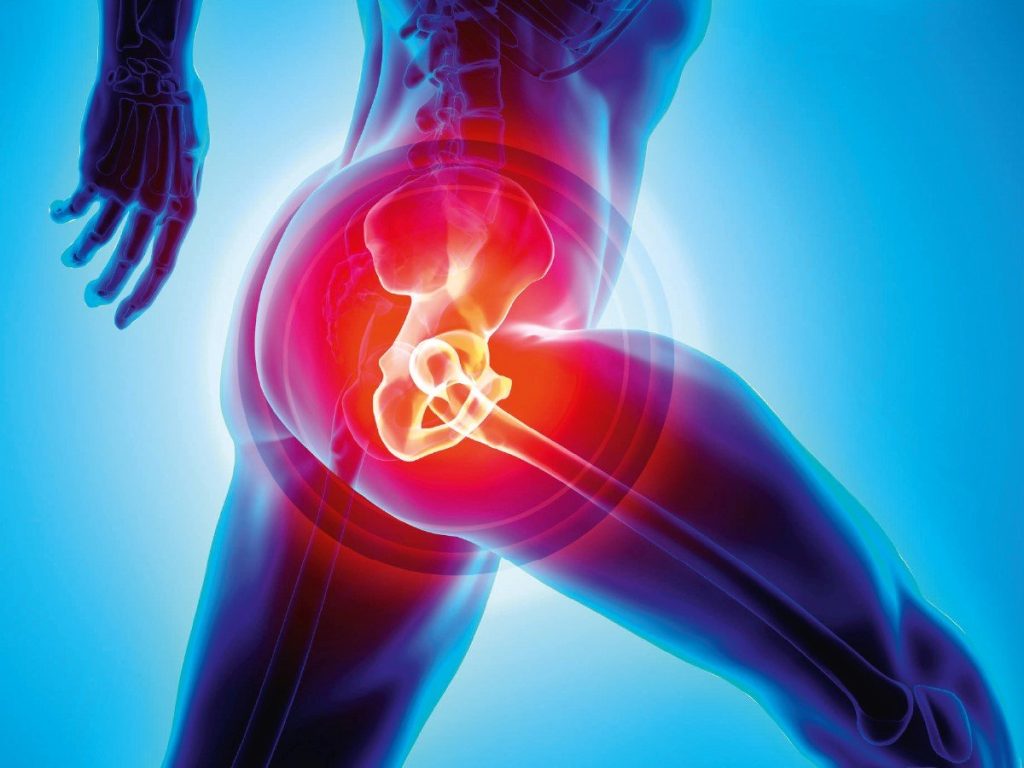
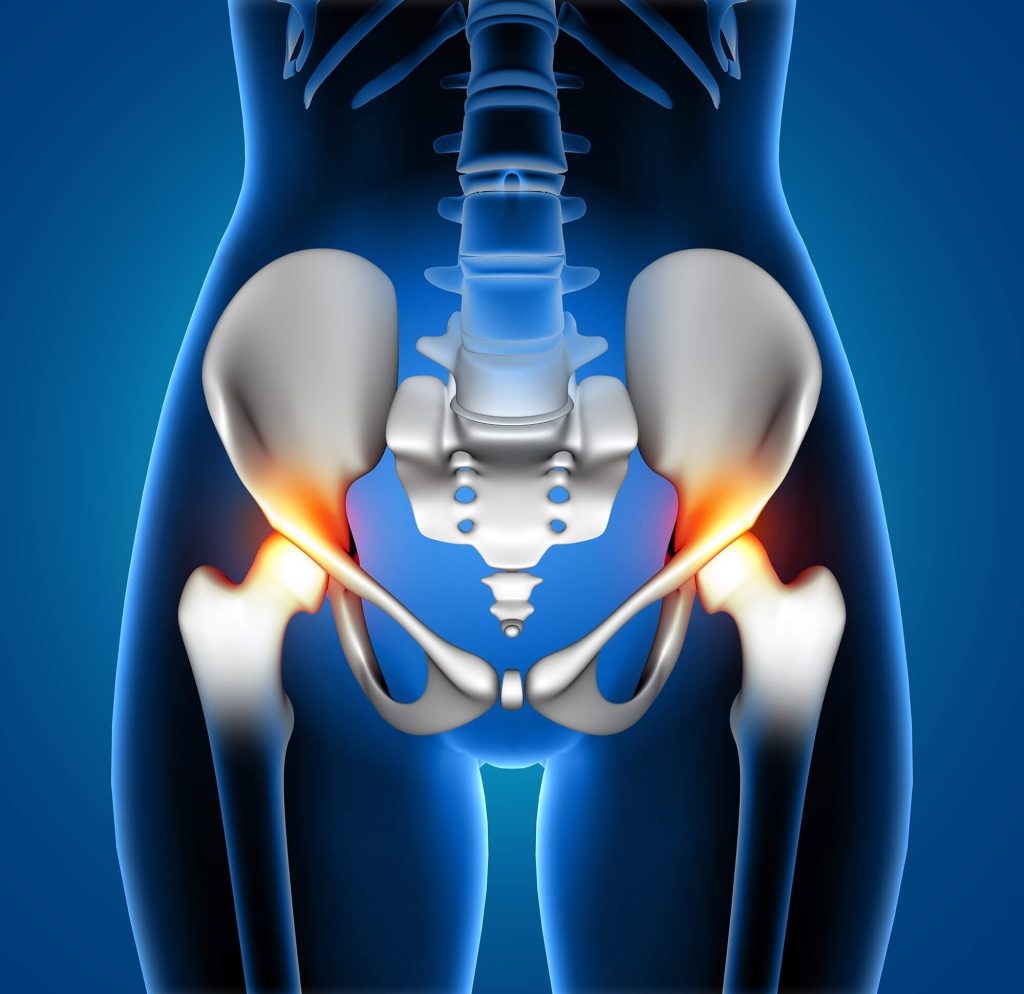
Hip replacement surgery is often recommended for individuals suffering from severe joi damage caused by:
Symptoms that may indicate you need a hip replacement include:
If you’re experiencing these issues, it’s essential to ask, “When do you need a hip replacement surgery?” Dr. Macnamara can provide a thorough evaluation to determine if you’re a candidate for this transformative procedure.
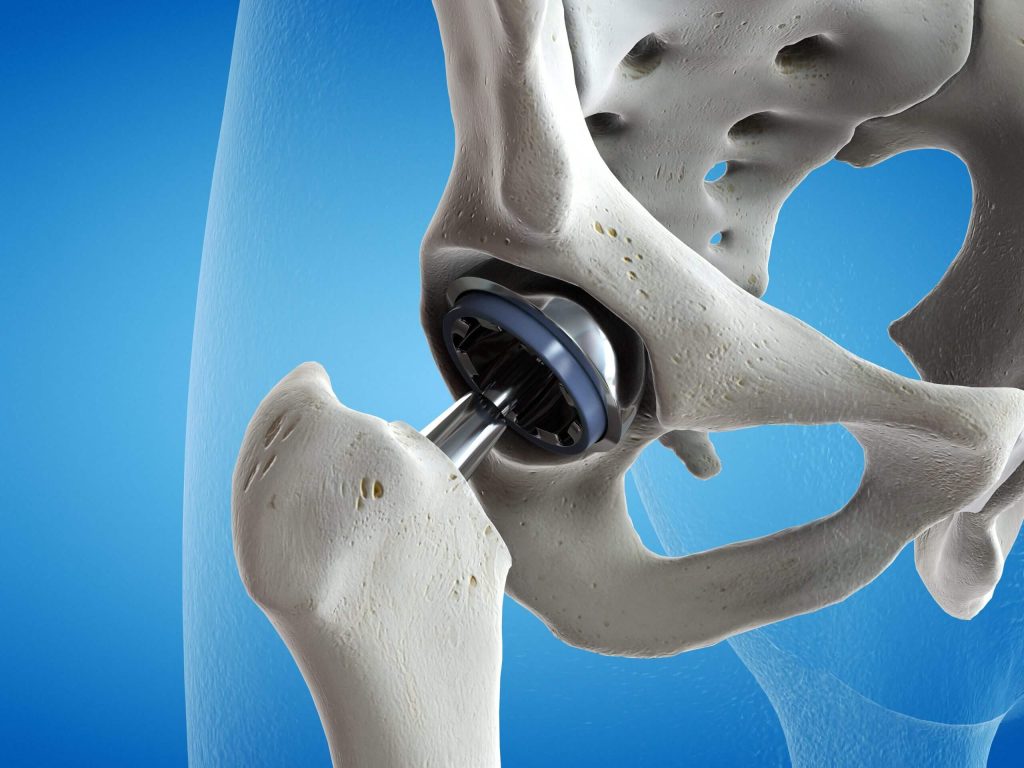
Dr. Macnamara specializes in minimally invasive hip replacement in Dubai, utilizing the latest advanced techniques in hip replacement to ensure a smoother surgical experience and quicker recovery. This approach involves smaller incisions, less damage to surrounding tissues, reduced pain, and faster return to normal activities compared to traditional methods. During the procedure, Dr. Macnamara removes the damaged parts of the joint, including the femoral head and hip socket, and replaces them with durable metal or ceramic components that replicate the function of a healthy joint.
The hip replacement recovery time in Dubai varies from patient to patient, typically lasting several weeks to a few months. After surgery, patients will stay in the hospital for a few days to receive pain management and personalized physical therapy designed to rebuild strength and improve mobility. A structured rehabilitation program is critical to achieving the best outcomes. Under Dr. Macnamara’s guidance, this program includes:
Patients who follow their rehabilitation plans often experience a significant improvement quality of life, regaining their ability to perform everyday activities pain-free.
In this video I explain many of the common questions patients ask about having a hip replacement surgery in Dubai:
When is a Hip Replacement Needed?
A hip replacement is typically needed when cartilage in the hip joint is severely worn, causing chronic pain, stiffness, and difficulty with daily activities like walking, dressing, or putting on shoes. This is common in advanced arthritis when pain persists despite treatments like physiotherapy, anti-inflammatories, or weight management
What is a Hip Replacement?
A hip replacement is a surgical procedure that replaces the damaged surfaces of the hip joint with artificial components. The worn-out femoral head and acetabular socket are replaced to restore function and eliminate pain, particularly in cases of bone-on-bone arthritis.
What is the Best Age for a Hip Replacement?
Hip replacement is suitable for individuals of various ages, depending on their condition. While most patients are in their 60s or 70s, younger individuals may need surgery due to injury or severe arthritis. The surgery can even be performed on teenagers in exceptional cases.
What are the Risks of Hip Replacement Surgery?
Hip replacement is generally safe, with a complication rate under 2%. Potential risks include infection, blood clots, nerve or vessel damage, leg length discrepancy, dislocation, or fracture. Advanced techniques and protocols minimize these risks significantly.
What are the Advantages of Hip Replacement Surgery?
Hip replacement surgery alleviates pain, improves mobility, and restores quality of life. It allows patients to resume daily activities, enjoy hobbies, and lead active, independent lives. It is widely regarded as one of the most transformative surgeries of the 20th century.
Can Delaying a Hip Replacement Cause Problems?
Delaying hip replacement can lead to complications like bone loss, muscle wasting, and increased technical challenges during surgery. Prolonged pain can also have psychological effects and prolong recovery, making timely intervention crucial.
What is Rapid Recovery Hip Replacement?
During a hip replacement, the surgeon removes the damaged femoral head and acetabular cartilage. A new socket (acetabular cup) and stem with a ball (femoral component) are implanted. These components may include ceramic, metal, or polyethylene materials for durability
What Happens During a Hip Replacement?
During a hip replacement, the surgeon removes the damaged femoral head and acetabular cartilage. A new socket (acetabular cup) and stem with a ball (femoral component) are implanted. These components may include ceramic, metal, or polyethylene materials for durability
Is Hip Replacement a Major Surgery?
Hip replacement is a major surgery but is routine and highly effective. Millions of successful procedures are performed worldwide, with most patients achieving excellent recovery and long term results under experienced surgeons.
How Long Do You Stay in Hospital After a Hip Replacement Surgery?
Most patients stay in the hospital for 1–2 days. Younger, healthier patients may be discharged the same day. Advances in surgical techniques and recovery protocols ensure quick mobilization and minimal downtime.
How Painful is Hip Replacement Surgery?
Modern hip replacement techniques minimize pain significantly. Many patients describe the pain relief as immediate, with discomfort managed using localized anesthetics and mild painkillers. Most patients can walk shortly after the surgery.
How Long Does a Hip Replacement Surgery Take?
The surgery itself takes 1 to 1.5 hours. Including pre-operative and post-operative preparation and recovery, the entire process lasts around 2–3 hours. Mobilization begins within hours of the procedure.
What Type of Hip Replacement Implants Do You Use?
Uncemented implants are commonly used, featuring ceramic or polyethylene surfaces and advanced coatings like hydroxyapatite to promote bone growth. These implants are durable and ideal for younger, active patients.
How Long Does It Take to Recover from Hip Replacement Surgery?
Recovery varies, but most patients walk the day after surgery. Restrictions, like avoiding low seats, bending, or heavy activities, last for about six weeks. Full recovery for high-impact activities can take 3–6 months, depending on the individual.
Can You Live a Normal Life After a Hip Replacement?
Yes, hip replacement restores a pain-free, active lifestyle. Whether it’s simple tasks like shopping or activities like hiking, it enhances quality of life and independence, often making life better than before surgery.
Posted on GoogleTrustindex verifies that the original source of the review is Google. I was lucky enough to be introduced to Dr Paul Macnamara when I started to suffer knee issues after a long sporting career. Paul and his team diagnosed my case, suggested some options, and completed my surgery. The treatment I received was excellent and my recovery was 100%. I am now at the stage of returning to have my second knee replaced by Dr Paul, with full confidence that this operation shall be equally as successful.Posted on GoogleTrustindex verifies that the original source of the review is Google. I had a partial meniscectomy with Dr Paul and had a very positive experience throughout. He was professional, reassuring and clearly explained the procedure, recovery process and what to expect at each stage. The surgery went smoothly, and I felt well looked after by both Dr Paul and the wider team. I really appreciated how approachable they were and how confidently they handled any questions I had. Highly recommend to anyone needing knee surgery.Posted on GoogleTrustindex verifies that the original source of the review is Google. Amazing experience. Dr Paul is very caring and hands on. He changed the dressing himself. Checks everything very thoroughly. Was walking on the first day of my new knee tibia end which was not put in properly. Can believe the difference in experience this timePosted on GoogleTrustindex verifies that the original source of the review is Google. I’m very grateful to Dr. Paul Macnamara for the excellent care I received during my hip replacement surgery 2 weeks back. The procedure went smoothly, and my recovery has been better than expected. Dr. Paul is very professional, supportive, and took the time to answer all my questions. I truly felt I was in the best hands throughout the entire process. Thank you 🙏Posted on GoogleTrustindex verifies that the original source of the review is Google. From the first day we met and Dr.Paul took control of my case, I knew I was dealing with the best! After leaving another hospital and surgeon looking for someone that would treat me with enough empathy to not feel just like a number but at the same time at the top of his field, those were my requirements. And I was not disappointed! 2 days post total right hip replacement I am walking with NO hip pain! My journey only ends after another one scheduled in 12 weeks - and I am super excited for that. Dr Paul shows care, is personable, patiently answers questions, guides you and overall the man you want to have on your team! Thank you for 5* service Dr Paul and helping me take my life back.Posted on GoogleTrustindex verifies that the original source of the review is Google. Absolute genius. 2 weeks post operation and I’m up and walking unaided with very little pain. Highly recommended.Posted on GoogleTrustindex verifies that the original source of the review is Google. I would give Dr Paul 10 stars if I could! Amazing surgeon and genuinely great guy. From our first consultation for my torn ACL, I knew he was the man for the job. He didn’t pressure me into surgery and I felt supported from the get go. Throughout the whole process he helped me feel reassured and was always happy to help with anything I needed (which was a lot - sorry Dr Paul! 😅🙏🏼). I had seen other surgeons in the UK before moving to Dubai, and none of them gave me hope or took my sporting career seriously. Unlike Dr Paul who appreciated the situation and took everything into consideration to offer me the best option. The surgery was of course a success, and the hospital stay and aftercare at Ortho Pro was also top tier. I live in a different country now and I genuinely miss seeing Dr Paul every week around the clinic! He really is one of a kind and I’m so grateful for everything he did for me. 🤍 Genius surgeon and great craic - highlyyy recommend! ⭐️Posted on GoogleTrustindex verifies that the original source of the review is Google. I am a "Snowbird" from Chicago who visits Dubai every winter to stay with my daughter who lives there. After hearing all the wonderful things patients have to say about Dr. Paul Macnamara, I decided he would be the perfect choice for my right total hip replacement surgery. I first consulted with him at the end of Nov 2025, and chose to schedule my surgery for the new year on Jan 13, 2026. In the interim of preparing, Dr. Paul was incredibly communicative even with a 10-hour time difference and always answered my many questions within minutes, making me feel all the more confident with my decision. Now, 10 weeks post surgery, I am thrilled with my recovery! I only took minimal pain meds for a couple of days post-op and am happy to say I didn't need more than that as I felt quite pain-free. I am back home now in Chicago and have traded in the warm walks of Dubai for a cold and sometimes snowy landscape, but I feel secure in the knowledge that Dr. Paul has "fixed me up" in both the most expert and caring way possible! Thank you Dr. Paul!! You're the BEST!!Posted on GoogleTrustindex verifies that the original source of the review is Google. Had total hip replacement around 3 weeks ago it has been an amazing experience. I really only felt significant pain for about 30 min post surgery when Dr Paul ensured I was receiving appropriate analgesia since then I was top of my meds and relatively pain free mainly stiffness. Was up and walking with the aid of crutches the day of surgery and since then progressively be losing walking aids. Currently on a traditional walking stick learning to walk with a functional hip. Been walking in the pool unaided and started back at the gym including easy spin classes. Looking forward to testing the new hardware and enjoying a new release of life. Thanks Dr Paul an amazing experience and things went smoother than I ever thought.Google rating score: 5.0 of 5, based on 114 reviews
Need help?